


-

Add: HeBei ShengShi HongBang Cellulose Technology CO.,LTD.
-

Email
13180486930@163.com -

CONTACT US
+86 13180486930




The world of hair care is evolving, with consumers seeking products that not only meet aesthetic desires but also promote overall hair health. One such innovative ingredient that stands out in the hair care market is hydroxypropyl starch phosphate, a modified starch that serves as an exceptional conditioning agent. This article delves into its multifaceted benefits, applications, and why it is gaining traction among hair care enthusiasts and professionals. Hydroxypropyl starch phosphate is derived from natural starch, typically sourced from corn or potatoes. This ingredient undergoes a modification process, which enhances its properties, making it particularly suitable for hair care applications. By altering the starch’s molecular structure, it becomes an effective film-former and stabilizer, endowing hair products with improved texture and performance. From a professional standpoint, hydroxypropyl starch phosphate is praised for its conditioning benefits . It effectively smooths the hair shaft, reducing frizz and enhancing shine. This is achieved by forming a thin film over the hair strands, which not only protects the hair from external aggressors but also locks in moisture. Unlike some synthetic polymers traditionally used in hair care, this modified starch is biodegradable, presenting an eco-friendly alternative that aligns with the growing consumer demand for sustainable beauty solutions. Hair health experts emphasize the importance of hydration and protection in maintaining vibrant hair. Hydroxypropyl starch phosphate contributes to these aspects by preventing moisture loss and shielding hair from thermal damage. Its ability to withstand high temperatures without breaking down makes it an excellent ingredient for products aimed at thermal protection, such as heat protectants and leave-in conditioners. Scientific studies and real-life testimonials corroborate the efficacy of hydroxypropyl starch phosphate in enhancing hair manageability. Users have reported noticeably softer and more manageable hair with continued use of products containing this ingredient. Furthermore, because it is derived from natural sources, it is gentle enough for daily use across various hair types, including chemically treated and sensitive scalps. hydroxypropyl starch phosphate hair In terms of professional formulations, hydroxypropyl starch phosphate’s versatility cannot be overstated. It seamlessly integrates into a wide range of hair care products, from shampoos and conditioners to styling creams and gels. Its compatibility with other common cosmetic ingredients ensures that product efficacy is not compromised, making it a preferred choice for formulators striving to create holistic hair care solutions. Trust and transparency are pivotal in today’s consumer landscape. As a naturally derived ingredient, hydroxypropyl starch phosphate offers a trustworthy option for brands and consumers alike. Its safety profile bolstered by regulatory approvals in major markets, assures users of its quality and efficacy. Additionally, its application in hair care represents a bridge between nature and science, exemplifying how innovative technology can enhance natural ingredients to meet modern beauty standards. Authoritative voices in the beauty industry have recognized hydroxypropyl starch phosphate for its superior benefits compared to traditional conditioning agents. Publications in cosmetic science journals highlight its multifaceted nature, underscoring its crucial role in developing advanced hair care products that cater to a diverse audience with varying hair care needs. For consumers and beauty professionals seeking a reliable, effective, and sustainable ingredient in hair care, hydroxypropyl starch phosphate presents a compelling option. Its ability to deliver consistent performance without compromising on safety makes it a standout choice in an industry where consumers are increasingly mindful of ingredient sourcing and environmental impact. As the quest for healthier, more sustainable hair care options continues, hydroxypropyl starch phosphate represents a step forward. By merging efficacy with environmental responsibility, it embodies the future of hair care, with promising potential for innovation. This ingredient is not just a solution for today’s consumers but a benchmark for tomorrow’s hair care formulations.
- 40000tons

Production
- 20+years

Experience
- 5000+㎡

Acreage

-
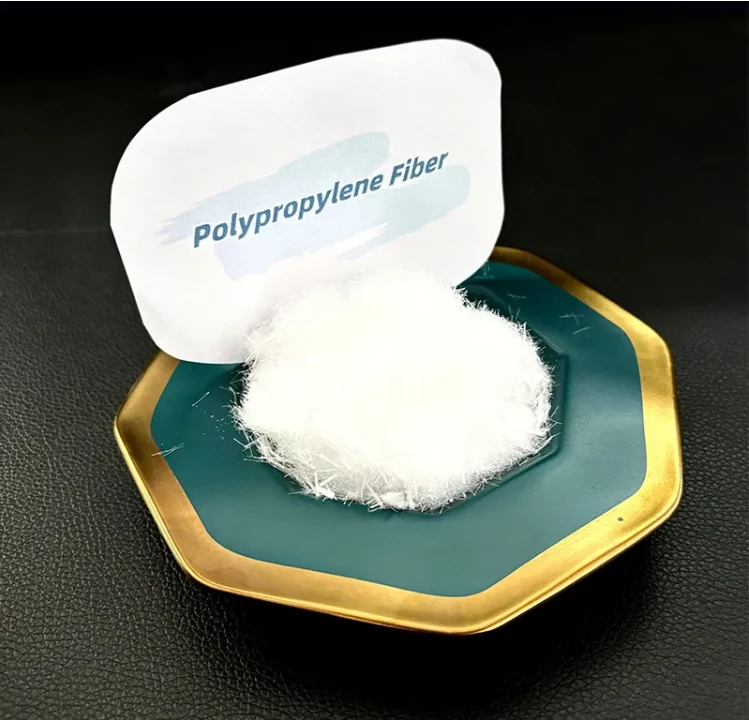
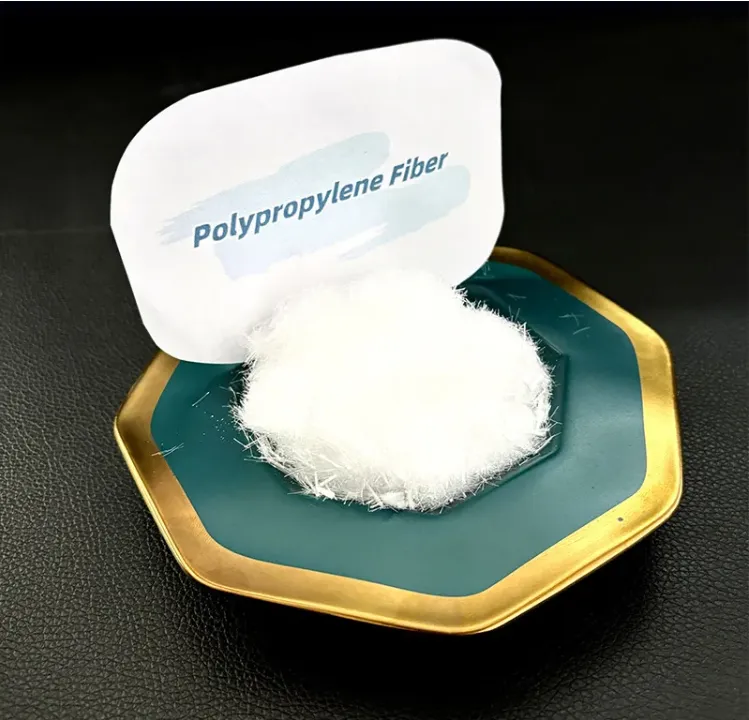
Polyolefin fibers, an essential component in the textile and manufacturing industries, have significantly gained attention due to their versatile applications and superior qualities. These fibers, derived from polymers such as polypropylene and polyethylene, offer a unique combination of properties that cater to numerous industrial needs, enhancing both product performance and durability. One of the most significant advantages of polyolefin fibers is their exceptional resistance to moisture. This property makes them an ideal choice for outdoor applications, where exposure to environmental elements like rain and humidity can quickly degrade other materials. For instance, agricultural fabrics designed to protect crops from the elements heavily rely on polyolefin fibers due to their robust water-repellent characteristics, ensuring longevity and consistent performance across seasons. Moreover, the high tensile strength of polyolefin fibers contributes importantly to their value in various industries. Their ability to withstand considerable stress without breaking or deforming makes them suitable for manufacturing high-strength ropes, fishing nets, and even geotextiles used in construction projects. This inherent strength not only extends the lifespan of the products made from these fibers but also enhances their reliability in critical applications, where failure is not an option. A prominent feature of polyolefin fibers is their inherent resistance to chemical attacks. This characteristic is particularly beneficial in environments where exposure to harsh chemicals or solvents is a concern, such as in industrial filtration systems or packaging materials. Products made from polyolefin fibers do not easily degrade when in contact with chemicals, ensuring both product integrity and safety over time. In the arena of sustainability, polyolefin fibers present a commendable profile. They are fully recyclable and contribute less to the overall carbon footprint compared to some other synthetic fibers. Their production process, largely driven by advances in polymer technology, has become more energy-efficient, allowing manufacturers to produce these fibers with reduced environmental impact. This aspect of sustainability positions polyolefin fibers favorably among environmentally conscious businesses aiming to incorporate more eco-friendly materials into their product lines. polyolefin fiber The light-weight nature of polyolefin fibers is another enticing benefit, leading to two major advantages—ease of handling and reduced transportation costs. Their low density results in lighter end products, which is particularly beneficial for applications in the automotive and aerospace industries, where weight reduction translates to improved fuel efficiency and performance. Polyolefin fibers thus contribute to overall cost savings , benefiting both manufacturers and end consumers. While the advantages are clear, incorporating polyolefin fibers into applications requires careful consideration of certain technical properties. Polyolefin fibers have a relatively low melting point compared to other synthetic fibers, which can be a limiting factor in high-temperature applications. However, this limitation is often addressed in innovative ways by blending polyolefin fibers with other materials or using them in environments where their low thermal resistance is not an issue. The expertise and authority of polyolefin fiber production have been greatly advanced by leading companies and research institutions globally. Their focus remains on refining the production processes and enhancing the fiber’s properties to meet the ever-evolving demands of the market. Extensive research and development activities ensure these fibers remain at the forefront of innovation, maintaining their status as a reliable and versatile material choice. Trustworthiness in the field of polyolefin fibers is further reinforced by strict compliance with international standards and certifications, which oversee the quality and environmental impact of these materials. Reputable manufacturers provide comprehensive data and transparency about their products, allowing consumers to make informed decisions based on verified performance metrics. In conclusion, polyolefin fibers represent a remarkable blend of performance, durability, and sustainability, making them indispensable across a variety of industrial sectors. Their distinctive properties provide tangible benefits, from extending product life to reducing environmental impacts, ensuring that polyolefin fibers will continue to be a material of choice for innovative solutions well into the future.
-
Navigating the intricacies of starch ether pricing can be a challenging task, especially for businesses relying on its unique properties for various applications. As the demand for ecologically friendly and high-performance construction materials grows, understanding the factors influencing starch ether price becomes paramount. Let’s delve into the core variables affecting pricing and provide insights to aid companies in making informed purchasing decisions. Starch ether, a modified polysaccharide, is esteemed in industries such as construction, textiles, and adhesives for its ability to improve water retention, workability, and consistency. Its usefulness across sectors makes it a commodity whose price is shaped by numerous factors. The price of starch ether is intricately tied to raw material costs, primarily the price of native starches derived from corn or potatoes. Variability in agricultural output can influence supply levels; hence, fluctuations in crop yields due to weather conditions or export-import policies in major producing countries can significantly impact prices. For instance, a poor corn harvest season can drive up the cost of base starch, which in turn raises starch ether prices. Additionally, production costs are a crucial determinant. The conversion of native starch into starch ethers involves specialized technology and chemical treatments, which require steady investment into research and development to improve efficiency and sustainability of the process. As manufacturers strive to meet environmental standards, they often invest in greener production technologies. This transition may increase operational costs temporarily, thereby affecting the price point of the final product. starch ether price Another key element affecting starch ether pricing is the prevailing demand across industries . With increasing environmental regulations encouraging the use of biodegradable and non-toxic materials, starch ether sees higher usage in applications like sustainable packaging and construction. This heightened demand can create upward pressure on prices, especially if supply doesn't scale proportionately. Emerging markets and technological advancements further contribute to the price dynamics of starch ethers. Adoption in new geographical areas or industries can drive competitive pricing, while innovations that improve functionality or application efficiency can command a premium price. Being proactive, businesses can capitalize on these advancements either through strategic partnerships or by investing in cutting-edge starch ether products that provide enhanced value propositions. Global economic conditions also play a part in pricing. Exchange rate fluctuations can alter import and export dynamics, impacting prices for countries reliant on international trade for raw materials or finished products. Tariffs and trade agreements likewise shape the overall cost structure, influencing final market prices. In conclusion, navigating the pricing landscape of starch ether requires a comprehensive understanding of multifactorial influences. Businesses can optimize their purchase strategy by closely monitoring raw material markets, staying abreast of advancements in production technologies, and being alert to demand shifts in the global arena. By prioritizing transparency and building strong supplier relationships, companies can better manage cost variables and maintain competitive advantage in their respective sectors.
advantages
-

200000 Viscosities
Excellent product
We can produce pure products up to 200,000 viscosities
-

40000 tons
High yield
We don’t stop production all year round, and the annual output can reach 40,000 tons
-

24 hours
Quality service
We provide 24-hours online reception service, welcome to consult at any time
———— Inquiry Form
Schedule A services

-
 gypsum_plaster_retarder
Oct . 25, 2025
Fiberglass reinforced polypropylene (FRPP) is revolutionizing industries due to its synergistic blen -
 redispersible_na_pulbos
Oct . 25, 2025
Large format tiles are becoming increasingly popular in both residential and commercial construction -
 redispersible_emulsion_powder
Oct . 25, 2025
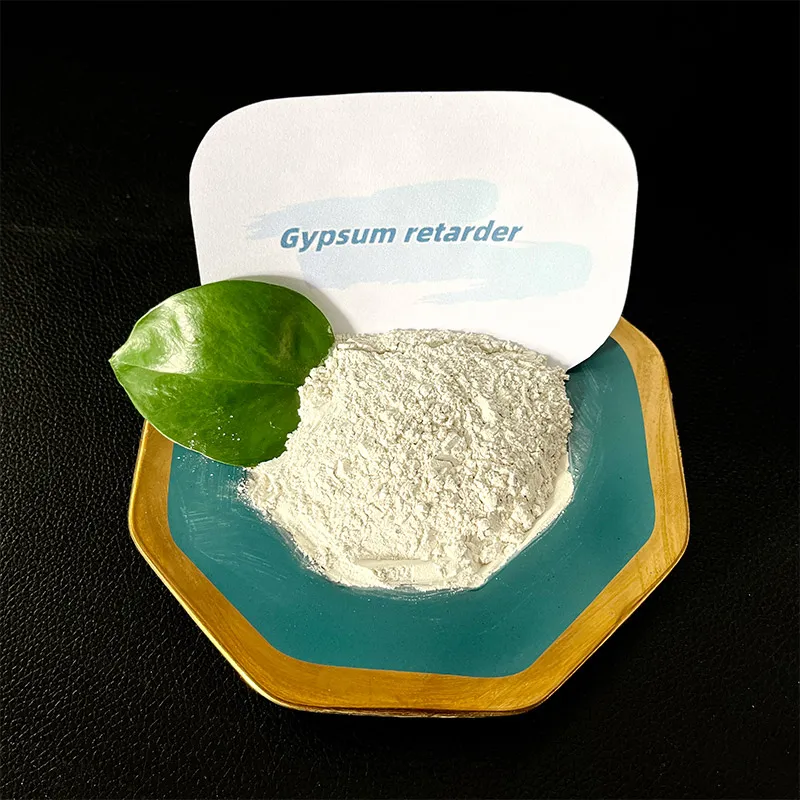
In the demanding world of construction finishes, controlling time is paramount. A plaster retarder s


